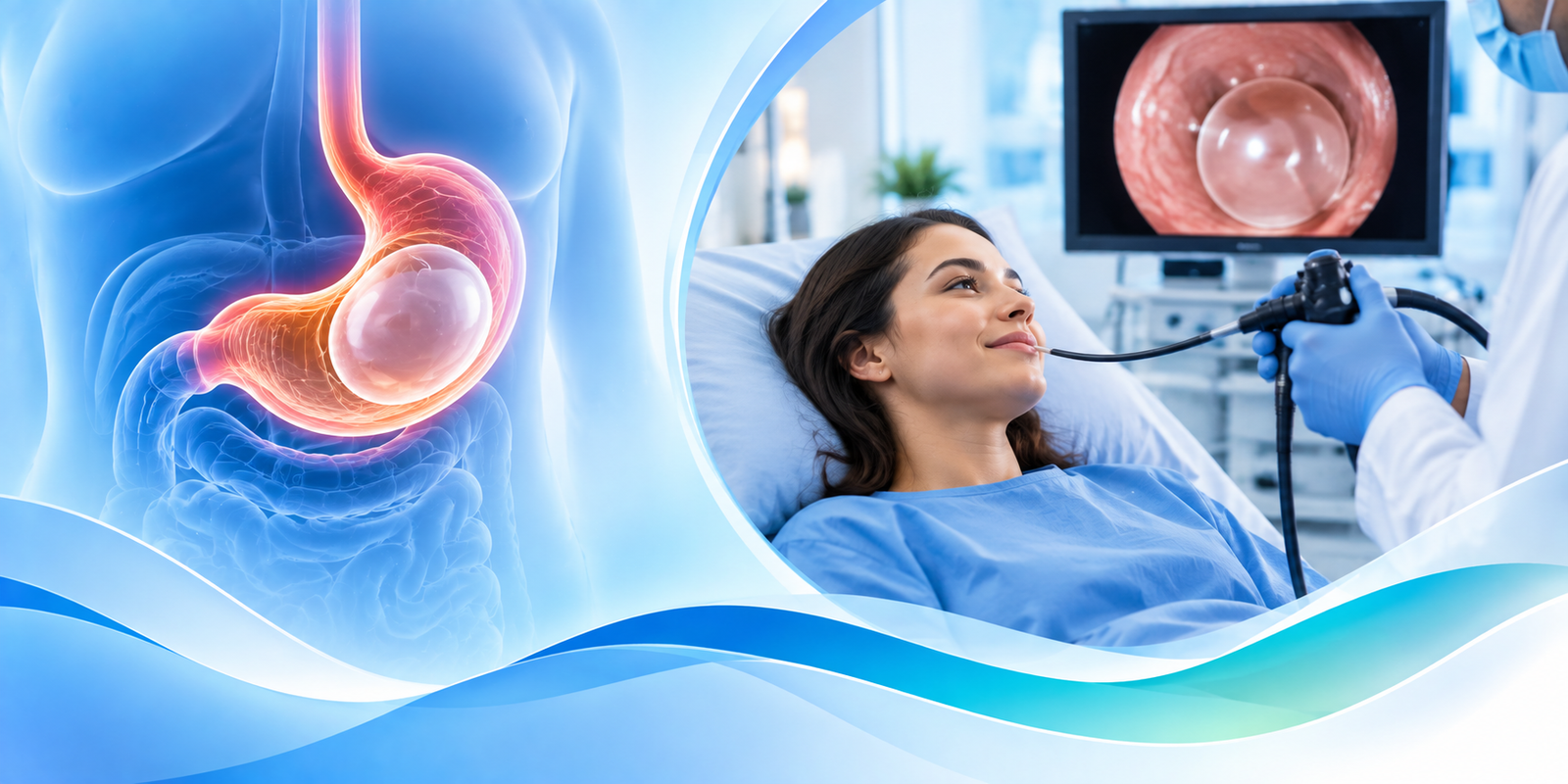
A Gastric Balloon is a non-surgical, minimally invasive weight-loss procedure that involves placing a soft silicone balloon inside the stomach using an endoscope. The balloon is then filled with saline or gas, taking up space in the stomach to help patients feel full faster and eat smaller portions. It is a temporary treatment, typically left in place for 6 to 12 months, and is most effective when combined with a healthy diet, regular exercise, and lifestyle modifications.
Individuals with Moderate Obesity
People with a BMI between 30 and 40 who are struggling to lose weight through diet, exercise, and medication alone.
Patients Seeking a Non-Surgical Option
Individuals looking for a temporary, minimally invasive weight-loss solution without undergoing bariatric surgery.
Preparation for Bariatric Surgery
Patients with severe obesity who need to lose weight before undergoing a more complex surgical procedure to reduce surgical risks.
Pre-Procedure Evaluation
Your doctor performs a comprehensive health assessment, including medical history, physical examination, and necessary tests to determine if a gastric balloon is the right option.
Balloon Placement
Under mild sedation, the deflated balloon is inserted into the stomach through the mouth using an endoscope and then filled with sterile saline or gas until it reaches the appropriate size.
Balloon Removal
After 6–12 months, the balloon is deflated and removed endoscopically. Patients continue with a supervised diet and lifestyle program to maintain long-term weight loss.
Need Expert Medical Guidance?
Your Treatment Journey
Before Procedure
- Your doctor will review your medical history and perform necessary evaluations.
- You may be asked to fast for several hours before the procedure.
- Dietary and lifestyle counselling will help prepare you for successful weight loss.
During Procedure
- The procedure usually takes 20–30 minutes and is performed under mild sedation.
- The balloon is placed endoscopically without any surgical incisions.
- Most patients return home the same day.
After Procedure
- Mild nausea, stomach cramps, or discomfort are common during the first few days and usually improve with medication.
- You will gradually transition from liquids to soft foods and then to a balanced diet.
- Regular follow-up visits, healthy eating habits, and physical activity are essential for achieving and maintaining long-term weight loss.

Get Expert Medical Guidance
Connect with our specialists and receive trusted healthcare support without delays.
Success!
Your consultation request has been submitted.