
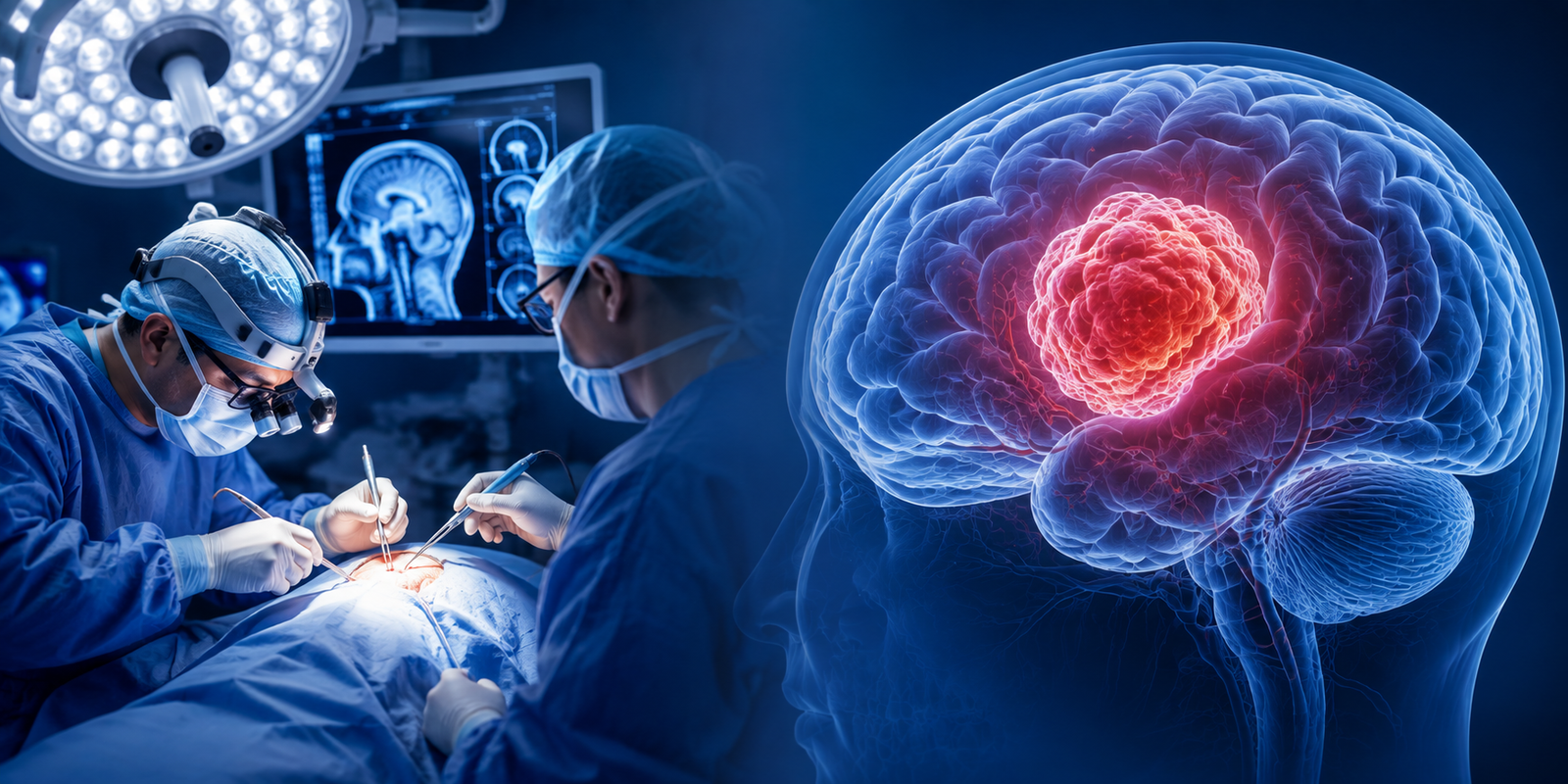
Brain Tumor Surgery is a specialized neurosurgical procedure used to remove, reduce, or obtain a biopsy of a tumor in the brain. The surgical approach depends on the type, size, location, and growth of the tumor, as well as the patient's overall health. Procedures may include craniotomy, minimally invasive surgery, stereotactic biopsy, or advanced image-guided surgery. The primary goal is to safely treat the tumor while preserving important brain functions such as movement, speech, vision, and memory.
Patients with Brain Tumors
Individuals diagnosed with benign or malignant brain tumors that require surgical evaluation, removal, or treatment.
Patients with Symptomatic Tumors
People experiencing headaches, seizures, vision changes, speech difficulties, weakness, balance problems, or other neurological symptoms caused by a brain tumor.
Patients with Accessible or Growing Tumors
Individuals with tumors that are growing, causing pressure on surrounding brain tissue, or located in an area where surgical intervention can be performed safely.
Comprehensive Neurological Evaluation
Your neurosurgical team performs MRI or CT scans, neurological examinations, blood tests, and other assessments to determine the tumor's location, size, type, and relationship with critical brain structures.
Personalized Brain Tumor Surgery
Depending on the tumor, the surgeon may perform a craniotomy, minimally invasive procedure, or stereotactic biopsy to remove as much of the tumor as safely possible or obtain tissue for diagnosis.
Recovery & Follow-Up Care
After surgery, patients receive close neurological monitoring, rehabilitation when required, and regular imaging and follow-up appointments to assess recovery and monitor for tumor recurrence.
Need Expert Medical Guidance?
Your Treatment Journey
Before Procedure
- You will undergo detailed brain imaging and neurological assessments to help plan the surgery.
- Your doctor will discuss the surgical approach, expected outcomes, potential risks, and possible effects on neurological functions.
- You may be advised to fast and temporarily adjust certain medications before surgery.
During Procedure
- Brain tumor surgery is generally performed under general anesthesia, although selected procedures may use specialized awake-surgery techniques.
- The procedure may take several hours, depending on the tumor's size, location, and complexity.
- Advanced technologies such as neuronavigation, intraoperative imaging, and functional brain mapping may be used to help the surgeon safely access and treat the tumor.
After Procedure
- Patients are closely monitored in the ICU or neurosurgical unit following surgery.
- Headache, fatigue, swelling, or temporary neurological symptoms may occur during the recovery period.
- Recovery varies depending on the type and extent of surgery, with follow-up imaging and rehabilitation provided when necessary.

Get Expert Medical Guidance
Connect with our specialists and receive trusted healthcare support without delays.
Success!
Your consultation request has been submitted.