
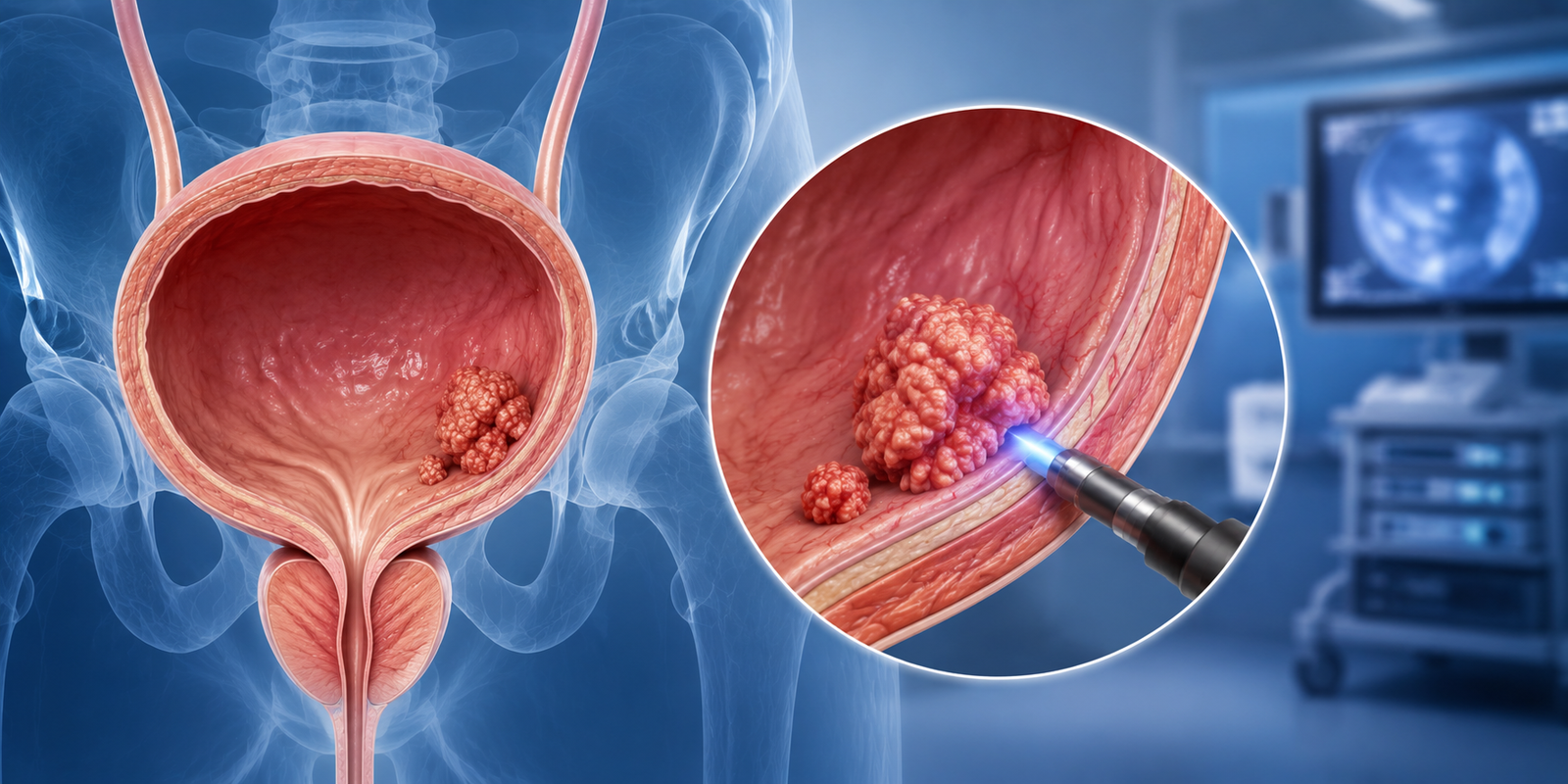
Bladder Cancer Treatment involves a combination of advanced therapies to remove or destroy cancerous cells in the bladder while preserving urinary function whenever possible. Depending on the stage and type of cancer, treatment may include transurethral resection of bladder tumor (TURBT), intravesical therapy, partial or radical cystectomy, chemotherapy, immunotherapy, or radiation therapy. The treatment plan is personalized to achieve the best possible outcomes while reducing the risk of recurrence.
Patients Diagnosed with Bladder Cancer
Individuals diagnosed with early-stage, muscle-invasive, or advanced bladder cancer requiring medical or surgical treatment.
People with Persistent Urinary Symptoms
Patients experiencing blood in the urine, frequent urination, painful urination, or other symptoms that have been confirmed to be caused by bladder cancer.
Individuals with Recurrent Bladder Tumors
Patients whose bladder cancer has returned after previous treatment and require additional therapy to prevent further progression.
Comprehensive Diagnostic Evaluation
Your specialist performs cystoscopy, urine tests, imaging scans, biopsy, and other investigations to determine the stage and extent of the cancer.
Personalized Cancer Treatment
Based on the diagnosis, treatment may involve TURBT, surgery, chemotherapy, immunotherapy, radiation therapy, or a combination of these approaches to effectively treat the cancer.
Recovery & Ongoing Monitoring
After treatment, regular follow-up appointments, imaging, urine tests, and cystoscopic examinations help monitor recovery and detect any recurrence at an early stage.
Need Expert Medical Guidance?
Your Treatment Journey
Before Procedure
- You will undergo detailed diagnostic tests, including cystoscopy, imaging, blood tests, and biopsy.
- Your doctor will discuss the recommended treatment plan, expected outcomes, and possible risks.
- Pre-treatment instructions, including medication adjustments and fasting (if surgery is planned), will be provided.
During Procedure
- The treatment approach depends on the stage of the cancer and may involve minimally invasive procedures, surgery, chemotherapy, immunotherapy, or radiation therapy.
- Procedures are performed under appropriate anesthesia when required.
- Your healthcare team continuously monitors your condition throughout the treatment.
After Procedure
- Recovery time varies depending on the type of treatment received.
- Temporary urinary discomfort, fatigue, or mild bleeding may occur during the healing period.
- Regular follow-up visits, lifestyle modifications, and ongoing surveillance are essential to monitor recovery and reduce the risk of cancer recurrence.

Get Expert Medical Guidance
Connect with our specialists and receive trusted healthcare support without delays.
Success!
Your consultation request has been submitted.