
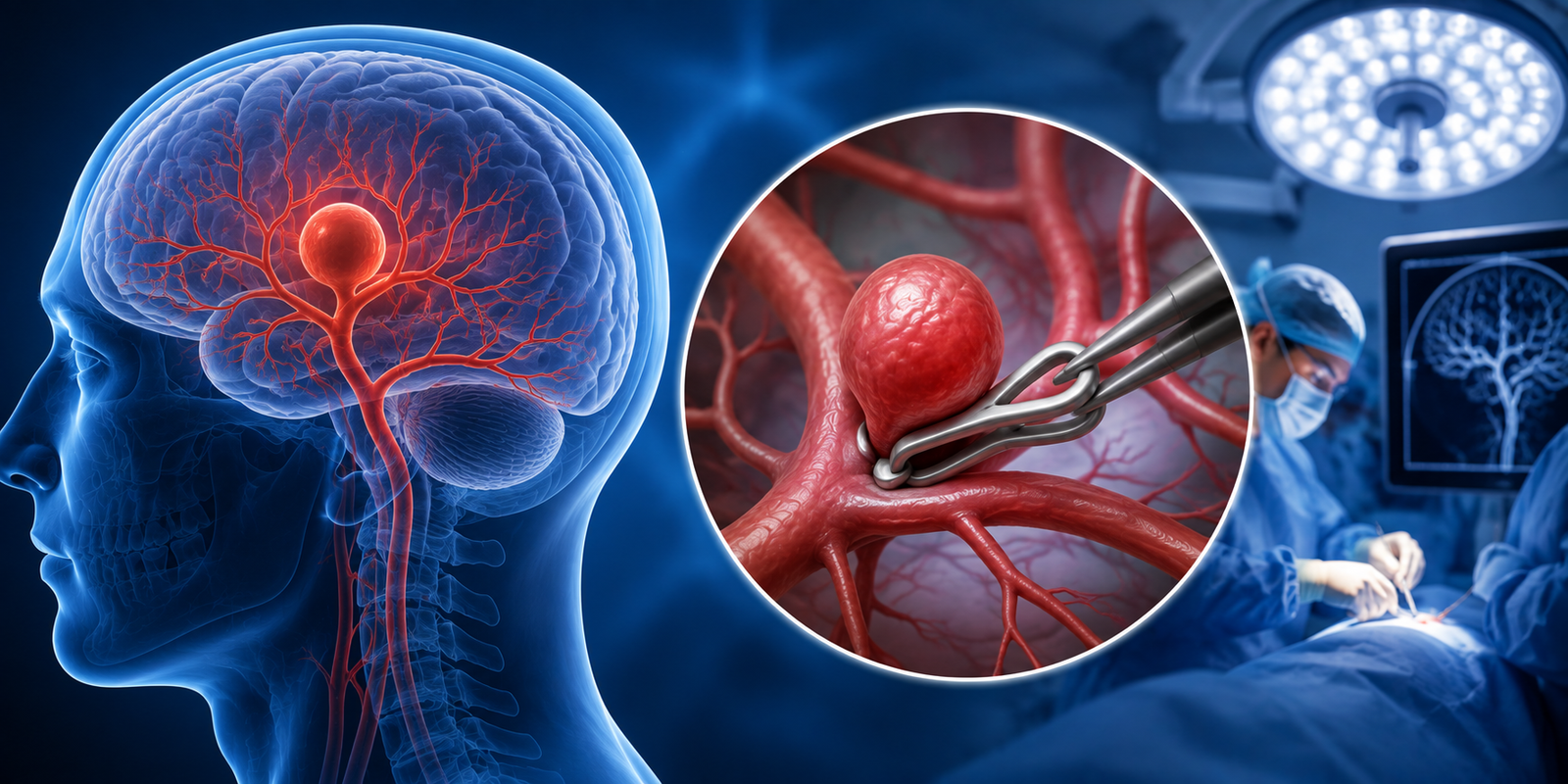
Brain Aneurysm Surgery is a specialized neurosurgical treatment used to prevent a weakened or bulging blood vessel in the brain from rupturing or to treat an aneurysm that has already ruptured. Depending on the aneurysm's size, location, and condition, treatment may involve surgical clipping, endovascular coiling, or other minimally invasive procedures. The primary goal is to prevent bleeding in the brain, reduce the risk of future rupture, and protect neurological function.
Patients with Unruptured Brain Aneurysms
Individuals with aneurysms that have a significant risk of rupture based on their size, location, growth, or other clinical factors.
Patients with Ruptured Aneurysms
People who have experienced a ruptured brain aneurysm and require urgent treatment to stop bleeding and prevent further complications.
Patients at Risk of Aneurysm Complications
Individuals with aneurysms causing symptoms such as severe headaches, vision changes, or pressure on nearby nerves and brain structures.
Comprehensive Aneurysm Evaluation
Your neurosurgical team uses CT or MRI scans, CT angiography, MR angiography, or cerebral angiography to determine the aneurysm's size, location, shape, and risk characteristics.
Personalized Aneurysm Treatment
Depending on the condition, treatment may involve surgical clipping, endovascular coiling, flow-diverter placement, or another catheter-based technique to prevent blood from entering the aneurysm.
Recovery & Neurological Monitoring
After treatment, patients are closely monitored for complications and neurological recovery, followed by regular imaging and specialist appointments to assess the treated aneurysm.
Need Expert Medical Guidance?
Your Treatment Journey
Before Procedure
- You will undergo detailed brain and blood-vessel imaging to identify the aneurysm and plan the safest treatment approach.
- Your doctor will explain the recommended procedure, potential benefits, risks, and expected recovery.
- If an emergency treatment is required following a rupture, stabilization and urgent neurological care will take priority.
During Procedure
- Surgical clipping is performed under general anesthesia, while endovascular procedures are typically performed through a catheter inserted into a blood vessel, often through the groin or wrist.
- During clipping, a small surgical clip is placed at the base of the aneurysm to prevent blood from entering it.
- During endovascular treatment, coils, a flow diverter, or other specialized devices may be used to block or redirect blood flow within the aneurysm.
After Procedure
- Patients are closely monitored in a neurosurgical or intensive care unit, particularly following a ruptured aneurysm.
- Recovery varies significantly depending on whether the aneurysm was ruptured and the type of treatment performed.
- Regular neurological assessments and follow-up imaging are important to monitor healing and ensure the aneurysm remains securely treated.

Get Expert Medical Guidance
Connect with our specialists and receive trusted healthcare support without delays.
Success!
Your consultation request has been submitted.