
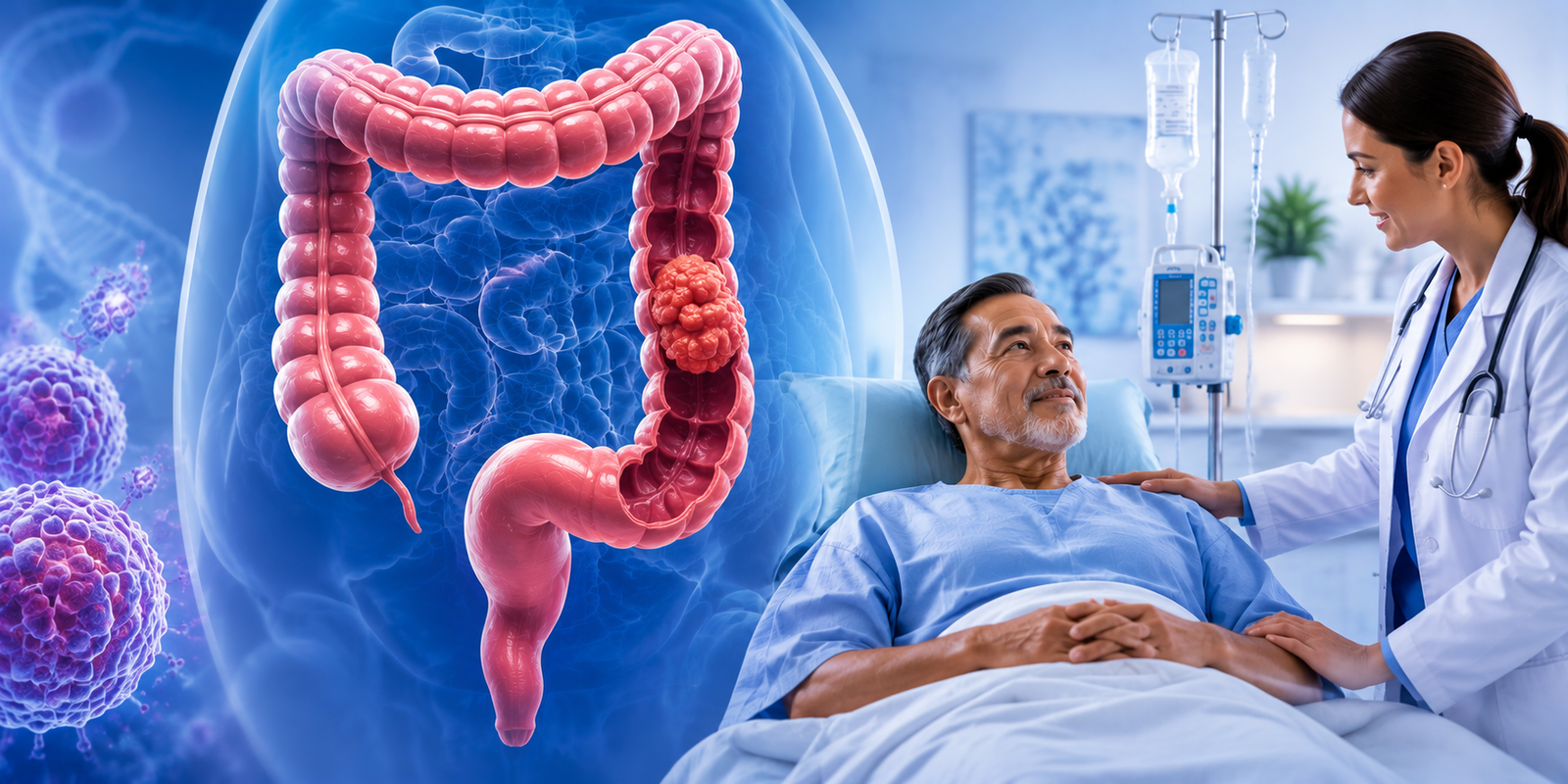
Colon Cancer Treatment involves a combination of surgical, medical, and radiation-based therapies used to treat cancer that develops in the colon. The treatment depends on the type, stage, location, and spread of the cancer, as well as the patient's overall health. Treatment may include colon surgery, chemotherapy, targeted therapy, immunotherapy, or radiation therapy in selected cases. The goal is to remove or control the cancer, prevent its spread, and support long-term recovery and quality of life.
Patients Diagnosed with Colon Cancer
Individuals diagnosed with colon cancer who require specialized medical or surgical treatment based on the stage and characteristics of the disease.
Patients with Localized Colon Tumors
People whose cancer is limited to the colon or nearby tissues and may be suitable for surgical removal of the affected section of the colon.
Patients with Advanced or Recurrent Cancer
Individuals whose colon cancer has spread to lymph nodes or other organs, or has returned after previous treatment and requires additional systemic or combined therapies.
Comprehensive Cancer Evaluation
Your oncology team performs colonoscopy, biopsy, CT or MRI scans, blood tests, and other diagnostic assessments to determine the type and stage of colon cancer.
Personalized Cancer Treatment
Depending on the diagnosis, treatment may include surgical removal of the affected portion of the colon, chemotherapy, targeted therapy, immunotherapy, or a combination of these approaches.
Recovery & Follow-Up Care
After treatment, regular examinations, blood tests, colonoscopy, and imaging help monitor recovery, evaluate treatment response, and detect any recurrence at an early stage.
Need Expert Medical Guidance?
Your Treatment Journey
Before Procedure
- You will undergo diagnostic tests such as colonoscopy, biopsy, imaging scans, and blood investigations.
- Your doctor will discuss the recommended treatment plan, expected outcomes, potential risks, and possible side effects.
- If surgery is planned, you may need bowel preparation, fasting, and temporary adjustment of certain medications.
During Procedure
- The treatment approach depends on the type and stage of colon cancer and may involve surgery, chemotherapy, targeted therapy, or immunotherapy.
- When surgery is required, the surgeon removes the cancerous section of the colon along with nearby lymph nodes and reconnects the healthy sections when appropriate.
- Your healthcare team closely monitors your condition throughout the treatment.
After Procedure
- Recovery varies depending on the type and extent of treatment received.
- Temporary abdominal discomfort, changes in bowel habits, fatigue, or treatment-related side effects may occur and can be managed with appropriate medical care.
- Regular follow-up appointments, colonoscopy, imaging, and healthy lifestyle practices are important for monitoring recovery and detecting recurrence.

Get Expert Medical Guidance
Connect with our specialists and receive trusted healthcare support without delays.
Success!
Your consultation request has been submitted.